Trekking is one of the best ways to explore nature, challenge yourself, and escape the chaos of everyday life. Whether you’re planning a weekend hike or a multi-day Himalayan adventure, carrying the right gear can make the difference between an enjoyable journey and a difficult one.
A well-prepared backpack keeps you comfortable, safe, and ready for changing weather and unexpected situations. In this guide, we’ve compiled the essential trekking gear checklist every hiker should follow before hitting the trail.
1. A Comfortable Trekking Backpack
Your backpack is the foundation of your trekking kit.
Choose a backpack with:
- Comfortable padded shoulder straps
- Adjustable waist and chest belts
- Rain cover
- Multiple compartments
- Lightweight yet durable material
Recommended Capacity:
- Day Trek: 20–30L
- Weekend Trek: 35–50L
- Multi-Day Trek: 50–70L
2. Quality Trekking Shoes
A good pair of trekking shoes provides grip, ankle support, and comfort on rocky and uneven trails.
Look for shoes that offer:
- Excellent traction
- Waterproof or water-resistant protection
- Breathable material
- Good ankle support
- Cushioned soles
Avoid using regular sports shoes on mountain trails as they often lack the grip needed for rough terrain.
3. Moisture-Wicking Clothing
Wear clothing that keeps you dry and comfortable.
Pack:
- Quick-dry T-shirts
- Trekking pants
- Thermal wear (for cold weather)
- Lightweight fleece jacket
- Waterproof outer shell
- Extra pair of socks
Avoid cotton clothing as it absorbs moisture and dries slowly.
4. Rain Protection
Weather in the mountains can change without warning.
Carry:
- Rain jacket
- Backpack rain cover
- Poncho
- Waterproof bags for electronics and documents
5. Water Bottles or Hydration Pack
Hydration is critical during any trek.
Carry:
- 2–3 litres of water
- Hydration bladder (optional)
- Water purification tablets or portable filter for longer treks
Drink water regularly instead of waiting until you’re thirsty.
6. Trekking Poles
Trekking poles help reduce pressure on your knees, improve balance, and provide extra stability on steep climbs and descents.
They are especially useful for:
- Himalayan treks
- Snow treks
- Rocky terrain
- Long-distance hikes
7. First Aid Kit
A basic first aid kit should always be part of your backpack.
Include:
- Bandages
- Antiseptic wipes
- Pain relief medicine
- Personal medications
- Blister patches
- Crepe bandage
- Medical tape
Knowing basic first aid is just as important as carrying the kit.
8. Navigation Tools
Even if you’re trekking with a guide, always carry navigation tools.
Recommended items:
- Offline maps
- GPS device
- Compass
- Printed trail map
Download offline maps before leaving areas with network coverage.
9. Headlamp or Flashlight
A headlamp is safer than using your phone’s flashlight because it keeps both hands free.
Don’t forget:
- Extra batteries
- Rechargeable power bank
- Charging cable
10. Multi-Tool or Pocket Knife
A compact multi-tool is useful for:
- Food preparation
- Gear repairs
- Cutting rope
- Emergency situations
Carry one responsibly and use it only when necessary.
11. High-Energy Snacks
Your body burns a lot of calories while trekking.
Pack lightweight foods such as:
- Energy bars
- Dry fruits
- Nuts
- Trail mix
- Peanut butter sachets
- Dark chocolate
Eat small amounts throughout the trek to maintain energy.
12. Sun Protection
Mountain sunlight can be surprisingly intense.
Carry:
- Sunglasses with UV protection
- Sunscreen (SPF 30+ or higher)
- Lip balm with SPF
- Wide-brim hat or cap
13. Emergency Essentials
Always prepare for unexpected situations.
Carry:
- Emergency whistle
- Emergency blanket
- Fire starter or waterproof matches
- Lightweight rope
- Duct tape
- Personal identification
- Emergency contact details
14. Power Bank and Electronics
Keep essential devices charged.
Useful electronics include:
- Smartphone
- Power bank
- Charging cables
- Camera (optional)
- GPS watch (optional)
Switch your phone to airplane mode to conserve battery during the trek.
15. Camping Equipment (For Overnight Treks)
If your trek involves camping, you’ll also need:
- Tent
- Sleeping bag
- Sleeping mat
- Camping stove
- Cooking utensils
- Lightweight food supplies
Choose lightweight equipment to reduce backpack weight.
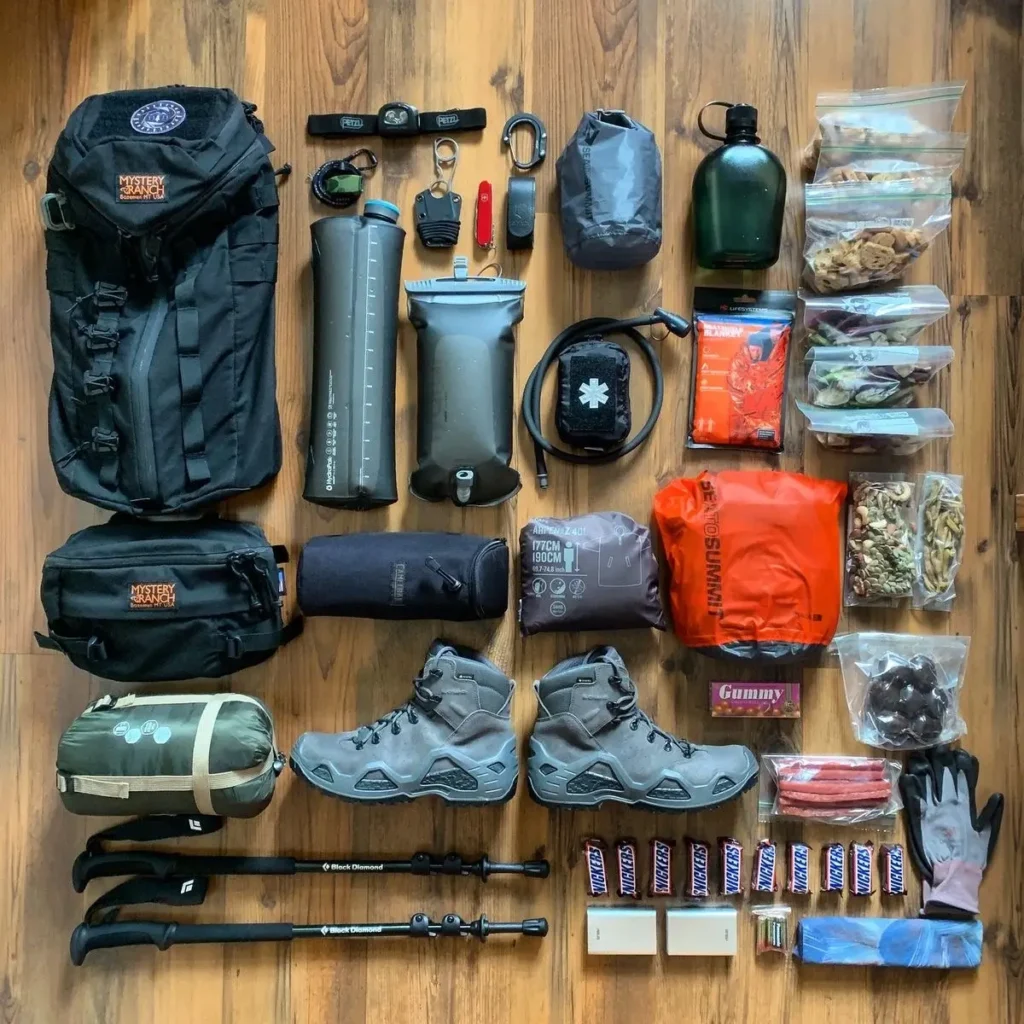
Bonus Packing Tips
- Pack heavy items close to your back.
- Keep frequently used items in the top compartment.
- Use packing cubes or dry bags for better organization.
- Test your backpack before your trip.
- Never carry unnecessary weight.
Common Trekking Packing Mistakes
Many first-time trekkers make avoidable mistakes such as:
- Carrying too many clothes
- Wearing new shoes without breaking them in
- Forgetting rain protection
- Packing too much food
- Ignoring hydration
- Leaving behind a first aid kit
Planning ahead helps you avoid these problems and makes your trek more enjoyable.
Final Thoughts
The right trekking gear not only improves comfort but also enhances your safety and confidence on the trail. Whether you’re exploring a forest trail, climbing a Himalayan peak, or embarking on your first weekend hike, being prepared is the key to a successful adventure.
Remember, the goal isn’t to carry everything—it’s to carry the right things.
At Offbeat Gypsies, we believe every journey should be about discovering nature, embracing adventure, and creating unforgettable memories. Pack wisely, respect the mountains, and leave every trail cleaner than you found it.
Happy trekking!
Ready to explore beyond the ordinary?
Follow Offbeat Gypsies for practical trekking guides, hidden destinations, camping tips, and adventure inspiration. Before your next trek, check out our travel resources and gear recommendations to ensure you're fully prepared for the journey ahead. Happy hiking!